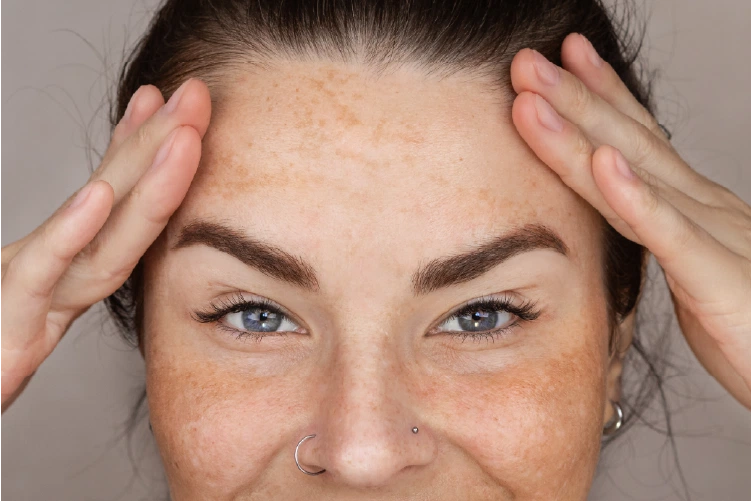
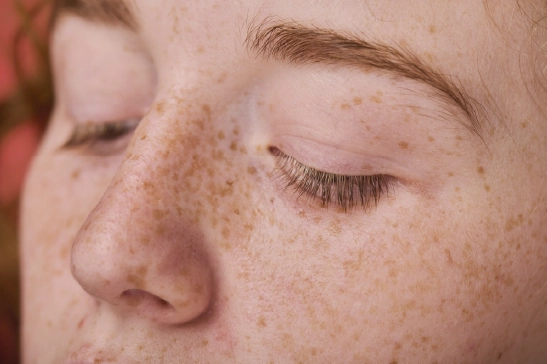
Trust Lotus Laser Aesthetics to correct sunspots, melasma, age spots, and uneven skin tone. With advanced laser pigment correction, personalized care, and expert treatments in Sartell & Isle, MN, achieve even, radiant, healthy skin today.
Inherited traits can make your skin more prone to uneven pigmentation.
Excessive UV rays trigger melanin production, leading to dark spots and uneven skin tone.
Hormonal fluctuations can lead to uneven pigmentation and dark spots.
Natural aging can cause dark spots and uneven skin tone over time.
Poor nutrition can affect skin health, leading to dullness and uneven pigmentation.
Certain medical issues can disrupt skin balance, causing discoloration or dark spots.

Our technician choses the type of laser and wavelength that is the best choice for your skin type and the color and/or reason for the discoloration. Different colors absorb different wavelengths.
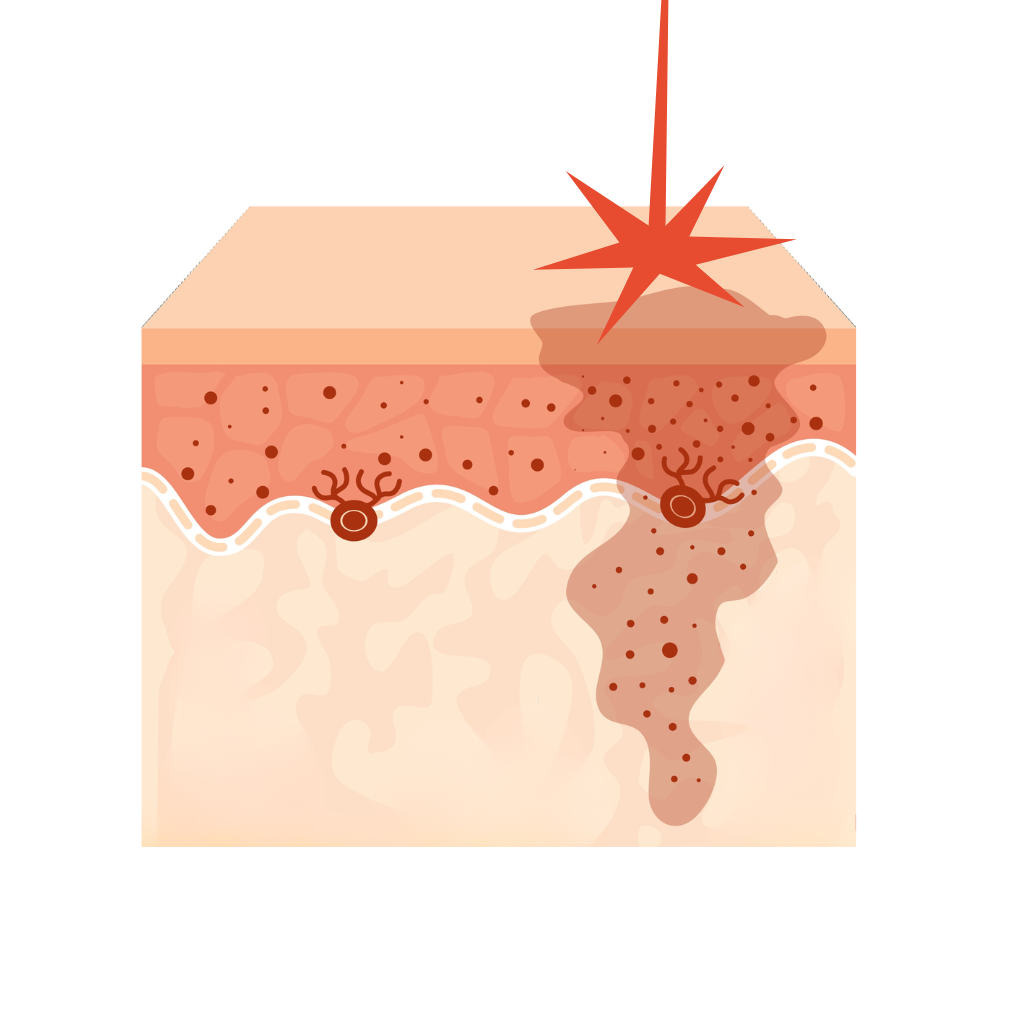
The laser is pointed at the melanin (pigment). It's energy is absorbed by the color of the melanin. The energy then causes it to heat up and break into smaller fragments.
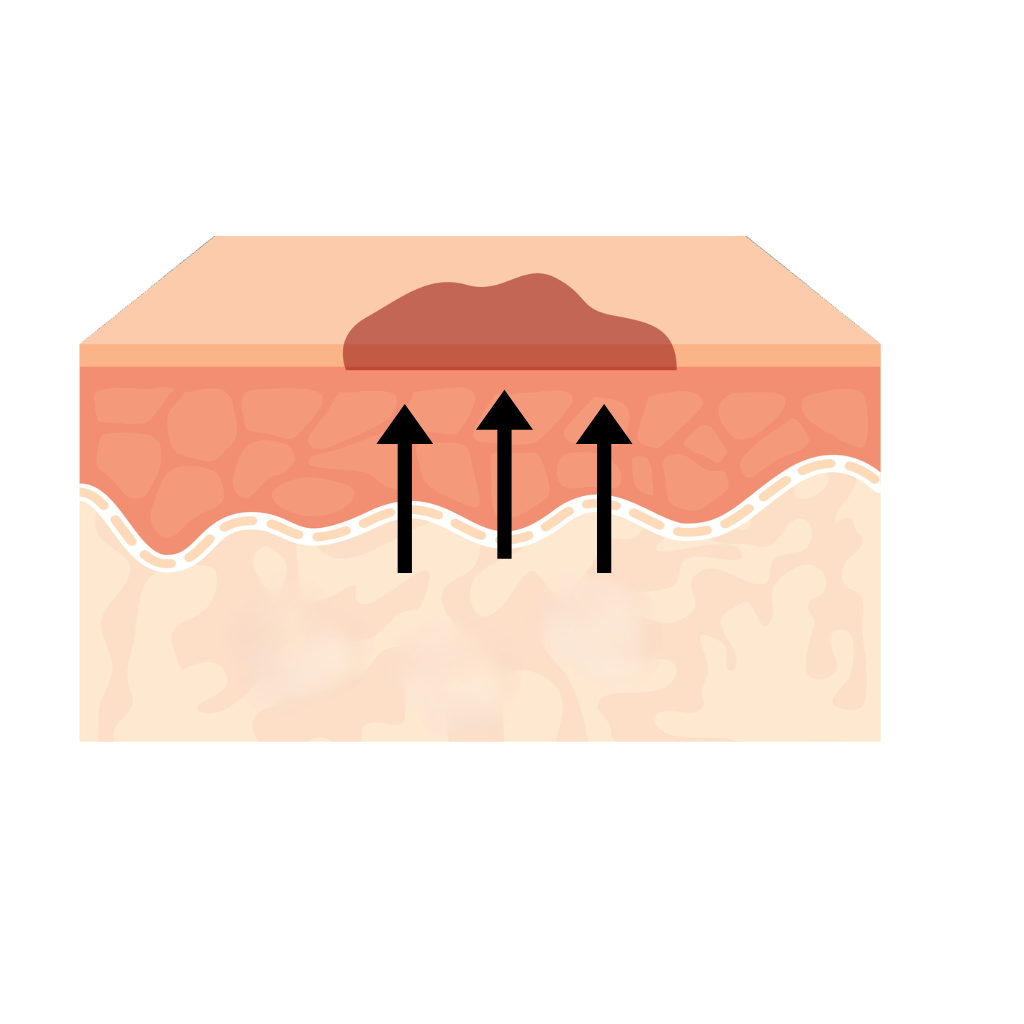
After the pigment is broken, it shifts to the surface and gradually flakes off.
Typically, 3-5 treatments are needed to clear the area. Results can vary for a variety of reasons.
Due to the unique cases of cancer diagnoses, a Doctor's note is required to treat most pigmented lesions, whether it’s a sunspot, freckle, mole, or similar. Treating without approval can increase the risk of delaying a diagnosis if there is something suspicious within your lesion.
It can be, but multiple factors affect pain, and everyone experiences it differently. Numbing cream works well for this procedure. Ask your technician for more details prior to your appointment if you are interested in using it.
2. Excess hair may need to be shaved. Men should be cleanly shaven.
3. Area being treated should be out of the sun 1 week prior to treatment. This also applies to post-treatment so plan accordingly. This also includes tanning beds, spray tans, and tanning lotions.
5. If history of herpes or cold sores, begin an anti-viral medication regimen (like Valtrax) prior to your appointment.
For best results, consider a melanin supresant with hydroquonon. However, due to it's strength, it is advised that you only use for 60-90 days at a time.
Expectations:
Immediate erythema (minor redness) and edema (mild swelling) often occurs and usually lasts for only a few hours.
We will sometimes see small areas of pin-point bleeding and occasionally small blisters may form.
The treated area may itch for several weeks after treatment and your skin may feel dry and flaky.
Expect "peppering". Due to the nature of the treatment, the brown spots will get darker before they get lighter. Since the laser heated up the pigment and shattered it, the body will eliminate the pigment by sending it to the surface. Eventually from the surface it will slough off. Do not pick at this "crust" to avoid scarring and infection. Treated pigment will exfoliate off the face in approximately 1 week. Treated pigment will exfoliate off the body in approximately 2-3 weeks
Hyperpigmentation after laser treatment is a common issue and occurs more frequently in patients who tan easily. Fortunately, in most cases, hyperpigmentation is not permanent. Your body works to restore balance, and the pigmentation typically fades within seven to ten days after treatment.
Post Treatment Care:
KEEP THE AREA OUT OF THE SUN FOR 7-10 DAYS AFTER TREATMENT.
To ease any discomfort, gently apply a cold pack or cool air to the treated area. For the first 24 hours, you may use aloe vera to calm the skin. After that, apply a medicated ointment or a fragrance-free moisturizer once daily to maintain hydration and support healing.
* The use of sunscreen (strong sun blocker) is recommended post-treatment for approximately 6-12 weeks.
It is best to leave your skin without any make-up for a few days. Some ingredients in cosmetics may clog your pores, and not allow skin to breathe or heal properly over time.

Laser pigment correction can deliver long-lasting results for many types of spots (such as sunspots or age spots). However, it cannot prevent new pigmentation from forming. Ongoing sun protection, a proper skincare routine and lifestyle factors are key to maintaining clearer skin.
Discomfort levels vary with individual sensitivity, the treated area, and the laser settings. Many clinics use topical numbing cream to improve comfort. Most clients describe the sensation as a brief snap or mild warmth, with minimal downtime.
You may begin to see improvements within a few weeks after treatment. With many lasers, the pigment darkens slightly and then flakes or fades away over time. Full results often unfold over 4 to 12 weeks, and a series of treatments yields the best outcome.
Before treatment: Avoid tanning, self-tanners, harsh exfoliants and sun exposure for 2-4 weeks. Stop using strong retinoids or acids as recommended by your technician.
After treatment: Use high-SPF sun protection daily, avoid direct sun exposure, refrain from aggressive skincare products or heat (sauna, steam) for several days, and follow any home-care instructions provided for best results.
Modern laser systems can treat a wide range of skin tones safely, but laser settings and wavelengths must be carefully chosen. Darker skin types may require gentler or specific laser options to avoid post-inflammatory pigmentation. A professional skin evaluation ensures your treatment is both effective and safe for your complexion.
Most clients achieve noticeable improvement after 3 to 5 treatments, depending on the size, depth and type of discoloration. More stubborn conditions like melasma or deeply pigmented spots may require additional sessions and follow-up maintenance.