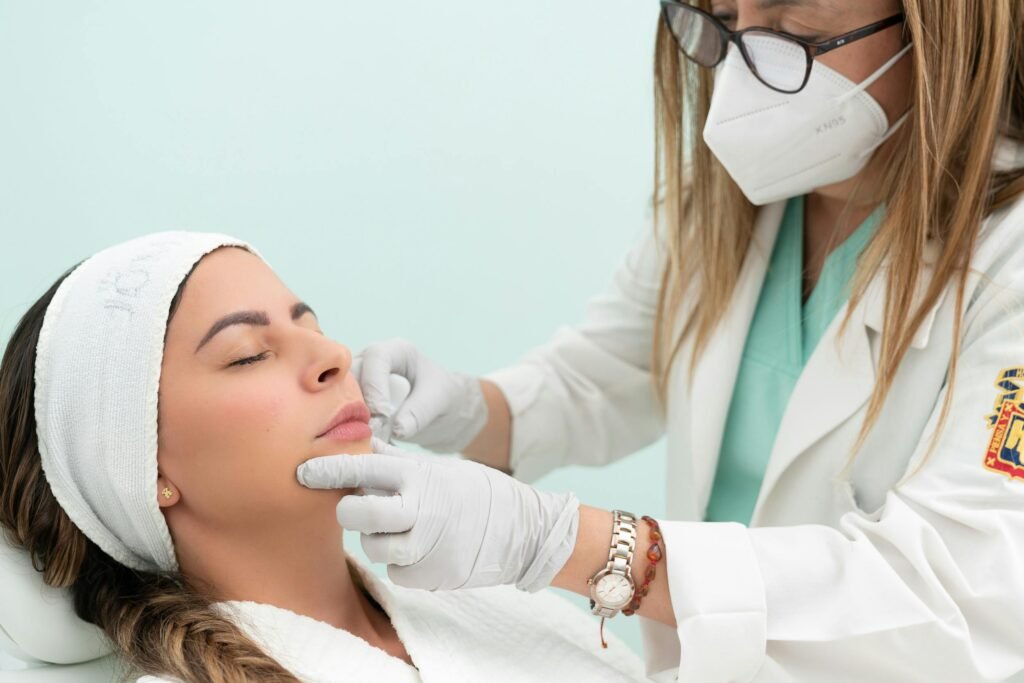
At Lotus Laser Aesthetics in Sartell and Isle, Botox isn’t just about smoothing wrinkles — it can also be about real relief.
If you suffer from:
Botox may help relax the overactive muscles causing the pain.

We target the masseter (jaw muscle) and, when appropriate, the temporalis muscles.
When these muscles are constantly clenching, they become inflamed and painful. Botox gently relaxes them, which can:
Most clients notice improvement within 1-3 days. Results typically last 3-4 months.
For clients struggling with frequent migrains, Botox can help by claming the muscle tension and nerve signaling that trigger attacks.
Many patients experience:
Early sensations — Mild soreness, tightness, or a “heavy” feeling in the jaw or forehead for 24–48 hours.
Onset of relief —
TMJ/jaw pain: 3–7 days
Migraines: 7–14 days
Peak effect — Around 4–6 weeks.
Duration — Typically 3–4 months.

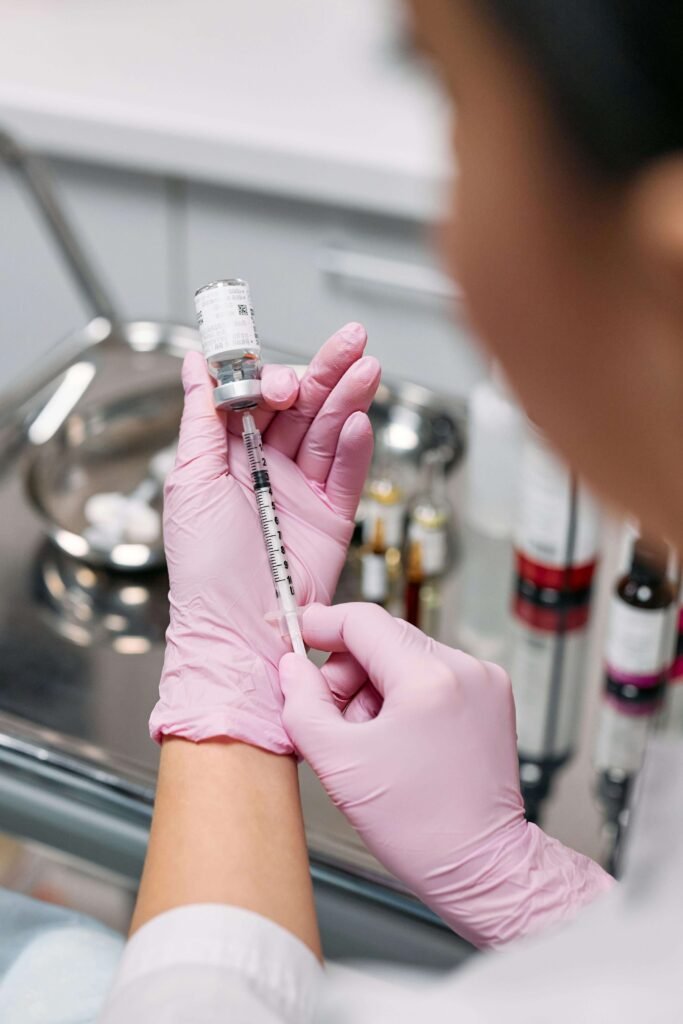
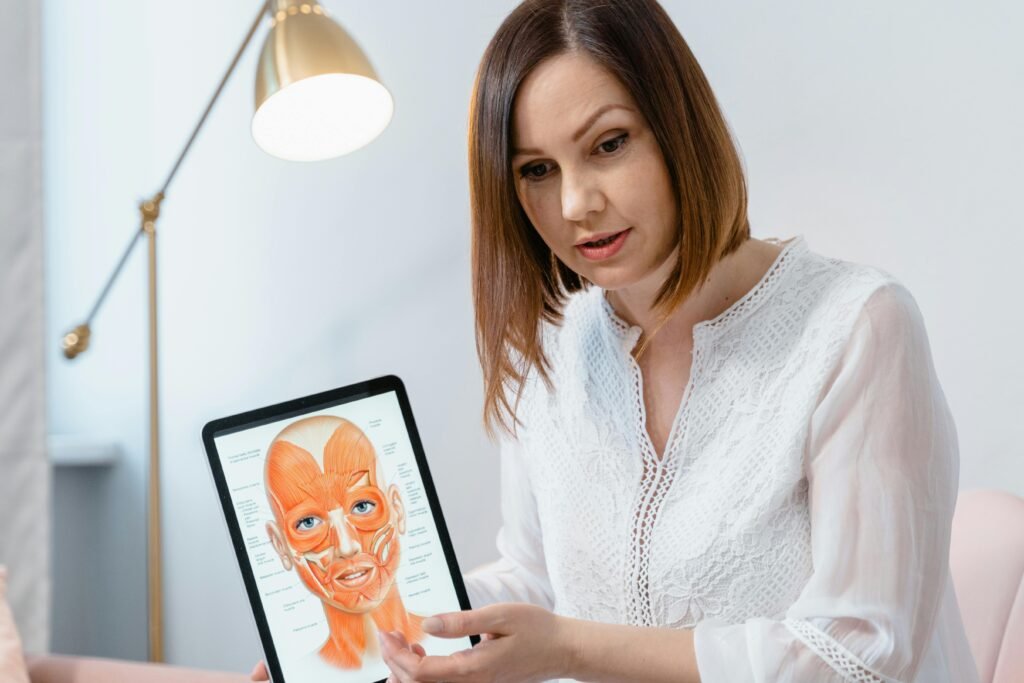
During the consultation, the clinician performs a focused evaluation of your jaw muscles, bite patterns, and migraine history to understand which muscles are overactive or triggering pain. They then create a personalized injection map, marking specific points in the masseter, temporalis, and migraine‑related head and neck muscles. Before proceeding, the clinician reviews the plan with you, explains expected effects and risks, and ensures the mapped pattern aligns with your symptoms and goals.

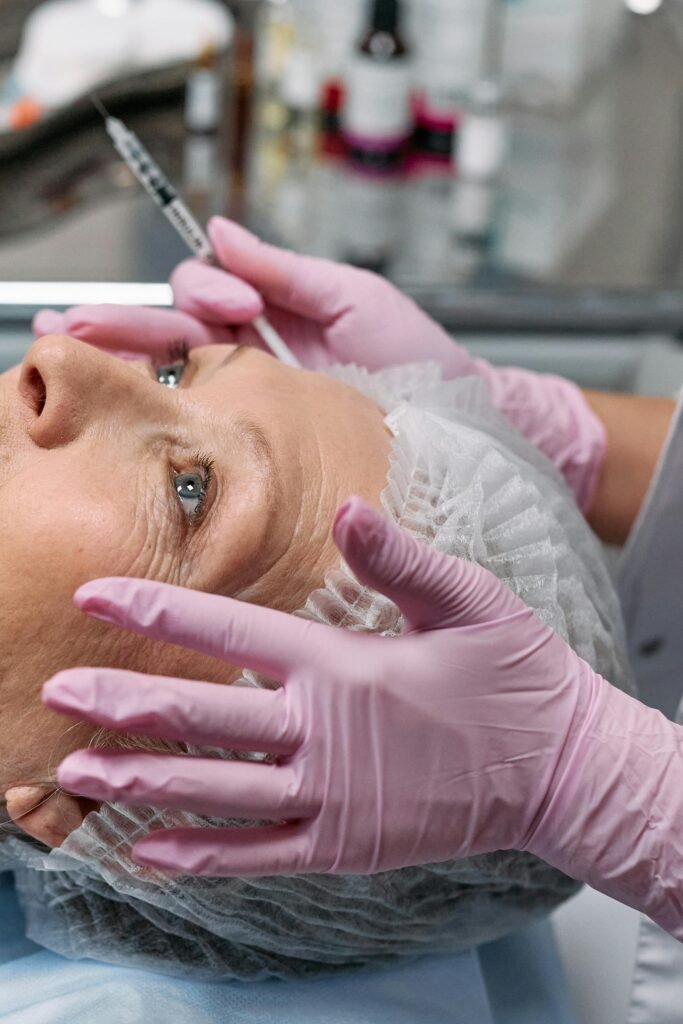
Once the mapping is complete, the clinician begins the injection process using a very fine needle to place small amounts of Botox into the mapped jaw, temple, or migraine‑related muscles. Each injection feels like a quick pinch or pressure, and the entire procedure typically takes 10–20 minutes.
After the injections, the clinician may gently massage the area, review aftercare instructions, and you can usually return to normal activities right away. You should start feeling relief after a short period of time (3-14 days). The peak effect will come around 4-6 weeks, lasting approximately 3-4 months. Follow-up appointments are recommended to be scheduled around this timeframe.
Most clients benefit from Botox sessions every 3 to 4 months to maintain results. The longevity may vary depending on muscle strength and lifestyle. Regular follow-up treatments help keep symptoms controlled. Your provider will tailor the schedule to your individual needs. Results may gradually fade without maintenance, so sticking to the plan is important.
Maintenance is important because Botox’s effects on the overactive jaw and head muscles gradually wear off after about 3–4 months, allowing clenching and migraine triggers to return if treatments stop. Regular sessions help keep those muscles relaxed consistently, which reduces jaw tension, TMJ pain, and the frequency of migraine flare‑ups over time. With ongoing scheduled treatments, many people experience deeper, more stable relief as each cycle builds on the last.
Botox is not considered painful, though you may feel tiny pinches that resolve quickly. A numbing option is available for sensitive clients. Mild redness or small bumps can appear but settle within minutes to hours. Most people return to normal activities immediately with minimal discomfort. Any minor side effects usually disappear quickly without intervention. The procedure is quick, often taking just 10–20 minutes.
1. Beginning 1–2 weeks prior to treatment:
Avoid blood-thinning medications or supplements such as aspirin, ibuprofen, fish oil, vitamin E, or herbal supplements (unless approved by your doctor) to reduce the risk of bruising.
Limit alcohol consumption, as it can increase bruising.
Avoid anti-aging topical treatments like retinoids or exfoliating acids on the treatment areas to minimize skin sensitivity.
Inform your provider about any medical conditions, allergies, or previous facial procedures.
2. The day of the procedure:
Arrive with a clean face, free of makeup, lotion, or oils.
Avoid heavy exercise or heat exposure immediately before the appointment.
Wear comfortable clothing if your neck or shoulders will be involved.
Be prepared to discuss your treatment goals and areas of concern with your provider.
Possible complications, all are temporary and uncommon:
It’s difficult to post a single general price for medical Botox because every treatment plan is customized to the individual’s muscle activity and trigger points. Some people have more severe clenching, broader migraine patterns, or additional muscles involved, which means they require more units than someone with milder symptoms. Because of these differences, pricing can only be accurately estimated after a personalized evaluation that determines the exact areas and amount needed.
Botox reduces excessive muscle activity in the masseter and temporalis muscles, easing clenching, grinding, and jaw tension that contribute to TMJ pain.
Botox is FDA-approved for chronic migraines, while TMJ and jaw-related use is considered off-label but commonly used by trained clinicians.
Most people begin noticing improvement within 3-7 days for jaw tension and 7-14 days for migraines, with full effect around 4-6 weeks.
Most patients benefit from repeat sessions every 3–4 months. Your provider may adjust the timing based on muscle strength and your individual response. Sticking to the recommended schedule helps maintain long-lasting, consistent results.
Most patients feel only mild discomfort during injections, often described as a tiny pinch or sting. Topical numbing or ice can be used if needed. Any soreness usually subsides quickly, and most people resume normal activities immediately.
The number of units varies widely based on muscle size, severity of clenching, and migraine patterns, so an accurate estimate requires an in-person evaluation.

Advanced anatomical expertise — precise, safe, muscle‑aware injections
Natural, customized results — tailored dosing for your unique facial movement
Gentle, comfortable technique — minimal discomfort, bruising, or downtime
Honest, educational approach — clear explanations, no pressure, no upselling
Consistent, predictable outcomes — reliable smoothing and balanced expression every visit
Warm, welcoming personality — clients feel relaxed, heard, and cared for
Clean, serene clinic environment — professional, calming, and safety‑focused setting